Pages

Showing posts with label Stephen King. Show all posts

Wednesday, October 18, 2017

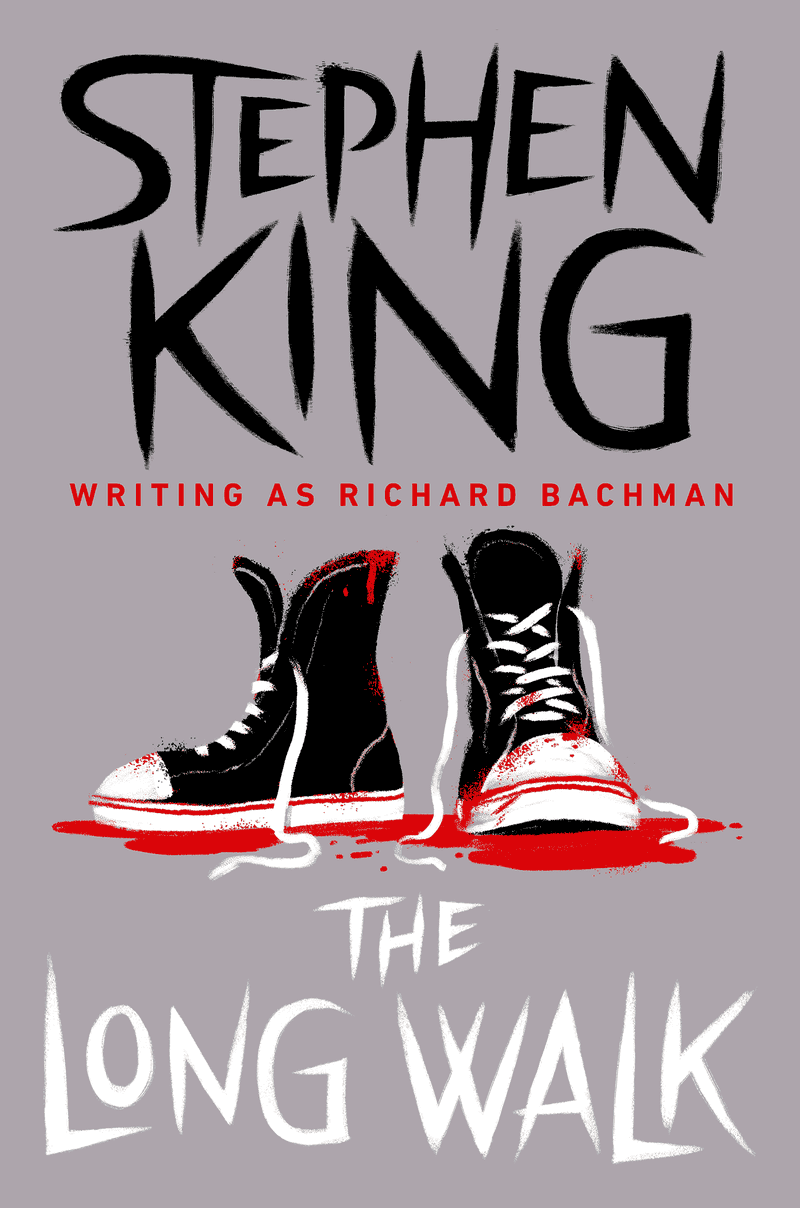
Tolog Review: The Long Walk

The Long Walk
by Stephen King
reviewed by Ana Cristina Bailey

In Stephen King’s literary fiction novel, The Long Walk, he illustrates a gruesome narrative of one hundred boys under the age of eighteen who walk until all except one perishes. The boys, who gain the insight of young men during the “Long Walk,” must walk at a constant speed of four miles per hour. If the boys do not continually walk at this speed, the soldiers warn them with the feared phrase, “Warning! Warning.” Three warnings result in a “ticket,” a euphemism for death. After receiving a ticket, the ruthless soldiers shoot the “Walker” who fails to meet the required pace. However, if a “Walker” manages to walk at four miles per hour after being warned, his warning is revoked. Although it seems inconceivable that the young men would voluntarily participate in the “Long Walk,” the reader learns that the boys compete in this horrid event for “The Prize”-anything the boy’s heart desires. Through King’s use of similes and metaphors, the reader cannot help but agonize over the plight of these young men as they walk to their death. King’s narration of the walkers’ changing attitudes during this competition urges the reader to ponder how he or she would act in this situation.

The protagonist in the novel, Ray Garraty, has the life of a stereotypical American teenage boy: a beautiful girlfriend, decent grades, and an overall seemingly carefree life. Despite this, Garraty still risks his life for the highly sought-after “Prize.” While using descriptive imagery and comparing Garraty’s lighthearted life to the torturous competition in which he partakes, King instills the reader with a belief that taking risks is not always the most sensible idea. However, Garraty is assuredly not the only young boy who jeopardizes his life in hopes of winning the “Prize.” Although Garraty does not initially intend to make friends throughout his arduous walk, he is acquainted with Peter McVries, Hank Olson, Stebbins, Arthur Baker, and Gary Barkovitch. Though Garraty is reluctant to become friends with his competition, he ultimately realizes that he needs a group of people with whom he can talk in order to stay sane. King’s vivid descriptions of the heartbreaking stories of these young boys compels Garraty to almost pity them; however, Garraty knows he must keep walking and show no remorse in the event of their death. Garraty and McVries particularly become close companions, for they save each other from receiving a ticket on numerous occasions. This large group of boys, who call themselves “The Musketeers,” not only discuss abstruse topics, but they also converse about everyday things that help them maintain their sanity. 


Throughout the entirety of the novel, I found myself pondering if the advantages of being a winner outweigh the cost of being so. Stephen King does a phenomenal job of inspiring discussion for the reader and leaving the reader to ponder the major themes of his novel after reading it. His blunt writing style enables the reader to feel connected to the characters because of its similarity to a conversation with the characters. Through similes and hyperboles, King compares the “Long Walk” to other things that appear to be of great exaggeration; however, the reader is able to determine that the “Long Walk” is truly as ghastly as it seems. King leaves the reader with a lasting idea that the horror is not in death itself, but in watching the mental and physical state of someone deteriorate. 


I would recommend this novel to people who are keen to delve deeper into the mind of a sixteen-year-old boy. King uses literary devices to portray Garraty as a “wild animal,” which can often be an accurate representation of a teenage boy. Although King describes Garraty extremely well, he uses profane language and introduces other inappropriate topics. Moreover, the novel can be repetitive, for it solely consists of the death and survival of the “Walkers”; I would recommend The Long Walk to those who prefer a more straightforward plot. King’s use of suspense and foreshadowing appeals to people who revel in cliffhangers. Because King is typically a writer of horror fiction novels, The Long Walk contains content that can make the reader feel petrified; I would not encourage those who are easily frightened to read this novel. In sum, I would recommend this novel to people who are eager to learn about the physical and emotional struggles of these one hundred boys as they walk for their survival.



Sunday, October 23, 2016

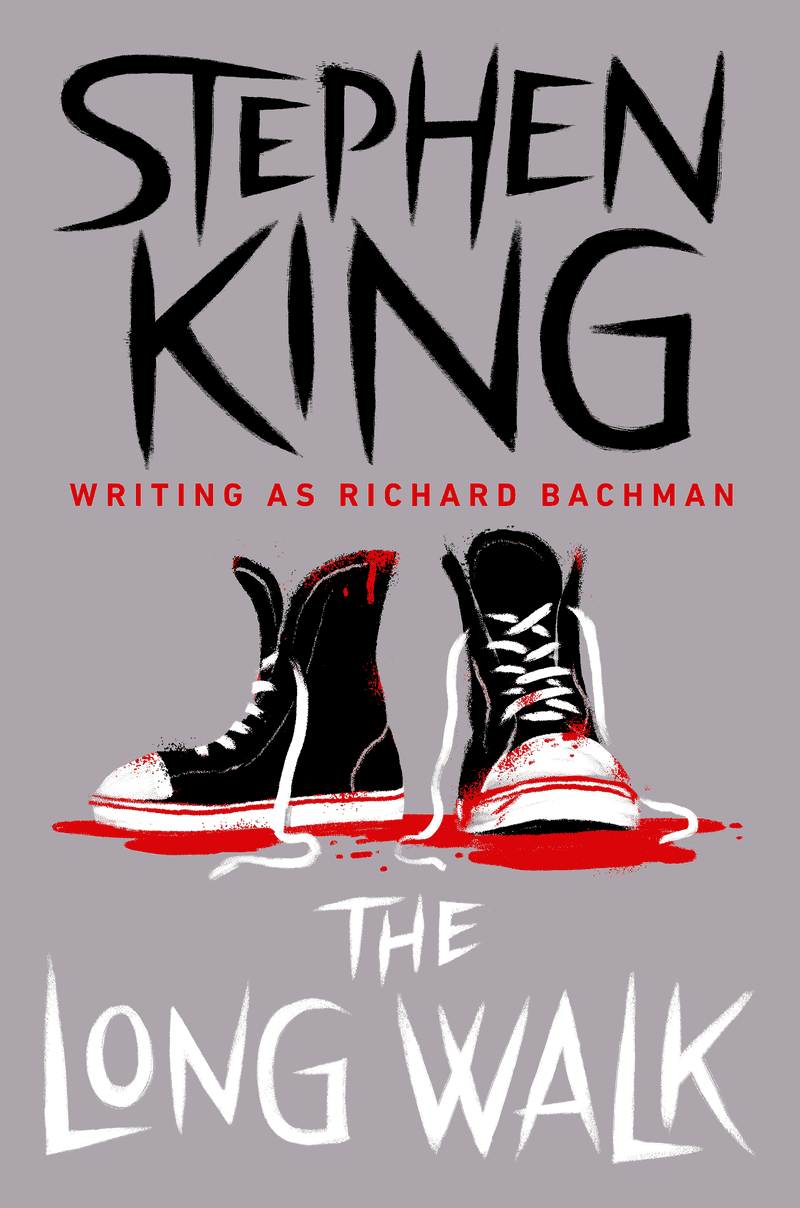
Tolog Review: The Long Walk

The Long Walk
by Stephen King
reviewed by Daisy Cushenberry

Every year one hundred boys from all across America voluntarily compete in “The Long Walk” in order to win the very desirable “Prize” of whatever he wants for the rest of his life. While the competition may seem simple and painless at first, Stephen King makes sure that his reader soon discovers it is exactly the opposite. The teenage “Walkers” are required to keep a pace of at least four miles per hour without ever stopping and there is no finish line, so the winner is the last man standing. If someone fails to keep this pace, he is warned. If he once again goes slower than four miles per hour, he receives a second warning. Each competitor gets three warnings, and if for a fourth time goes under the limit, he is given a “ticket,” or in other words, he is shot dead. However, if someone has gotten a warning and manages to walk above the limit for an entire hour, he then has a clean slate. As we walk through this wonderfully gruesome novel with King’s narration and the boys left to their own thoughts, it is incredibly interesting to watch the Walker’s minds change as their long walk become more challenging and more terrifying.

Main character Ray Garraty is just another sixteen-year-old boy with a pretty girlfriend waiting for him back home and not whole lot of advantages going for him. Multiple other boys are stronger and more determined than Garraty, but there is something about him that many boys don’t have: his mind set. Every time he begins to get tired or beings to give up, he always pushes himself to stay in the competition and walks faster, having little boosts of determination here and there. We meet three other main characters in the beginning of the novel, Peter McVries, Hank Olson, and Arthur Baker, and all four of them become just a little more than acquaintances, but not quite friends yet, before the Walk starts. As they get a few miles into the Walk though, they rely on each other as people to keep them from going completely crazy and share their thoughts with one another as death becomes something that may or may not be meeting with them soon. 


Garraty and McVries in particular tend to speak a lot about their ideas to one another, anything that comes across their mind, and even save each other from getting a ticket a few times. At one specific moment they discuss the very thought provoking idea that the Walk might actually be fake and McVries firmly believes that “there’s no winner, no Prize” and they just “take the last guy out behind a barn somewhere and shoot him too.” The boys’ growing bonds however are not exactly fantastic, and those bonds makes this already horrible event become even more torturous than it has to be. They must watch their friends die and cannot do anything about it but continue walking.


King does an absolutely sensational job at getting into his reader’s head and finding what scares them most. His descriptive and graphic writing makes this novel utterly vivid and intense, creating a whole new level of horror. This work is not like a ghost or zombie story, but it is one that takes you deep into your mind and shows you what insanely gory things can happen to a person if they push their body over its capable limits.

Tuesday, October 18, 2016

Tolog Review: The Long Walk

The Long Walk 
by Stephen King
reviewed by Lilian Welwood

The Long Walk by Stephen King is a 370 page story of gripping literary fiction. The story starts out with the protagonist, a boy named Ray Garraty. His mom seems to be dropping him off at an unknown location for a competition that she is against. They say goodbye as Garraty joins a hundred other boys meeting around a starting line. The reader soon learns that Garraty has chosen to join a competition of a hundred boys who try to out walk one another. The rules are pretty simple, if a boy walks slower than 4 mpr he will get a verbal warning. After someone's 3rd warning they get their “ticket” as Garraty calls it, the reader soon finds out that for someone to get a “ticket” means to lose their life. The road that Garratty and the other shrinking number hundred boys are on is lined with armed soldiers, and getting your “ticket” means getting shot to death by these soldiers. While Garraty walk along side with these boys, he ends up making befriending some. Especially one boy with the last name of McVries.

When I first read about what this book was about I wondered how interesting a book could be if the whole time the characters are only walking. Once I started reading I realized that was not the case. As I mentioned Garraty makes friends and throughout the book has many conversations with them about each other's life and mainly their thoughts on death. For this book Stephen King made the decision to make a lot unknown, and some parts are just never fully answered. Through the conversations of these boys the reader gradually learns about what is going on in the book. I see this as a good decision on the author's part, because, even though at some points the readers might feel frustrated with the lose of information, I was compelled to read it more to find out.

I ended up really enjoying Stephen King's writing style and technique. Since all the boys in this book (except one) are walking to their death, the subject of death is brought up a lot. Stephen King gets very deep into the meaning of death overall and especially to these boys in a very impactful way that really made me think. When talking about death with some other boys if people just took it a day at a time, they'd be a lot happier (67).” This quote really made me notice how life is going to end no matter what so you might as well enjoy it. Stephen King also used a lot of figurative language to get ideas across. I especially enjoyed one part where he referred to a boy that was very mysteriously insightful as “the caterpillar in Alice in Wonderland(189).” I saw it as a very clever reference that allowed me to really see what the character was like.